By Azura · Updated June 2026 · Raised Garden Hub is reader-supported. When you buy through links on our site, we may earn an affiliate commission at no extra cost to you.
Cedar is the best wood for raised garden beds — it’s naturally rot- and insect-resistant, food-safe, and lasts 7–10+ years with no chemicals needed. Redwood is the premium upgrade; untreated pine is the budget starting point. Here’s exactly how each option stacks up so you can pick the right wood for your situation.
Best wood options at a glance
| Wood | Lifespan | Cost | Notes |
|---|---|---|---|
| Cedar | 7–10+ yrs | $$ | Best all-rounder — rot/insect resistant, food-safe |
| Redwood | 7–12 yrs | $$$ | Beautiful and durable, but pricey and regional |
| Douglas fir | 4–7 yrs | $$ | Solid mid-range; rots faster than cedar |
| Pine (untreated) | 2–3 yrs | $ | Cheapest; short-lived, good for a quick starter bed |
| Treated lumber | 10+ yrs | $$ | Long-lasting but many gardeners avoid it for food (see below) |
Cedar: the best all-around wood
Cedar is the go-to recommendation for most raised bed gardeners, and the reasons are straightforward. (Ready to buy? See our best cedar raised garden bed kits picks — including how to avoid the fir-sold-as-cedar trap.)
- Naturally rot- and insect-resistant thanks to aromatic oils baked into the heartwood — no sealing or chemical treatment needed.
- Food-safe out of the box — nothing leaches into your soil or onto your vegetables.
- Dimensionally stable — it swells and shrinks less than other woods, so joints stay tight and boards don’t warp badly.
- Widely available in pre-cut raised bed kits that go together in 20 minutes with no tools.
- Stays cooler at the edge than metal in extreme heat, which matters if you’re in the Southwest and gardening close to the boards.
The main downside is cost. Cedar runs roughly $2–4 per linear foot for 1×6 boards and more for 2×6 or 2×8. Kit prices range from about $70 for a 4×4 bed to $130+ for a 4×8. That’s 2–3x the cost of pine, but the math works out in your favor once you factor in rebuilds — see the FAQ below.
Greenes Fence Cedar Raised Garden Bed
- Naturally rot- and insect-resistant
- Food-safe, no chemicals
- Tool-free dovetail assembly
- 7–10+ year lifespan
- Pricier than pine upfront
- 5–10 yr life vs 15–20 for metal
Redwood: the premium option
Redwood rivals cedar on rot and insect resistance and often outlasts it by a year or two in wet climates. The heartwood’s natural tannins do the heavy lifting — same principle as cedar, just a different tree species.
The catch: redwood is only readily available in the Western U.S. If you’re outside California or the Pacific Northwest, sourcing it is difficult and expensive. Where it’s available, expect to pay a 30–50% premium over cedar for comparable boards.
If you’re in a high-rain climate and can source redwood locally, it’s worth the upgrade. Everywhere else, cedar is the smarter buy.
Douglas fir: the solid middle ground
Douglas fir is a legitimate option that often gets overlooked. It’s denser than cedar or pine, readily available at most lumber yards, and costs roughly the same as cedar in many regions — sometimes less.
The tradeoff: it doesn’t have the same natural oils as cedar, so moisture eventually wins. Expect 4–7 years in most climates, less if the bed stays constantly wet. Applying a food-safe exterior oil sealer (tung oil, linseed oil) extends that lifespan noticeably.
If you’re building a raised garden bed from scratch and cedar is out of stock or overpriced at your local yard, Douglas fir is a solid fallback.
Untreated pine: the budget starter
Untreated pine (or spruce/SPF lumber) is the cheapest wood you’ll find for raised beds, typically $1–2 per linear foot. It works fine as a starter bed — you’ll grow good vegetables in it.
The limitation is clear: untreated pine rots in 2–3 years. Ground contact and consistent moisture from irrigation accelerate decay. You can squeeze out another season or two by:
- Applying an exterior-grade wood sealer before the first fill
- Using a hardware cloth or liner at the bottom to keep excess moisture from pooling against the wood
- Elevating the bed slightly off bare soil if your drainage is poor
If you’re experimenting with raised bed gardening for the first time and aren’t sure you’ll stick with it, a pine bed is a low-stakes way to try. If you know you’re in it for the long haul, go cedar from the start.
The treated lumber question
This is where gardeners genuinely disagree, and the honest answer involves some nuance.
Old CCA pressure-treated lumber (pre-2003) used chromated copper arsenate — arsenic compounds that do leach into soil and accumulate in plants. The EPA banned CCA for residential use in 2003. If you have old railroad ties or dark brown treated lumber from before that era, avoid it for vegetable gardens.
Modern treated lumber — sold as ACQ (alkaline copper quaternary), copper azole, or similar — uses copper-based compounds instead of arsenic. Research suggests these leach at much lower rates than CCA did. The UC Cooperative Extension and similar agricultural bodies note that copper levels found near ACQ-treated wood in garden studies are generally low compared to naturally occurring soil copper.
That said, there’s no definitive long-term study showing it’s completely safe for food crops at every concentration and soil type. The precautionary position — still reasonable — is to avoid treated wood in direct contact with vegetable soil.
The practical middle path: if you want the durability of treated lumber without the worry, line the inside of the bed with 6-mil polyethylene plastic sheeting, leaving the bottom open for drainage. This puts a physical barrier between the wood and your growing medium. It’s not required, but it removes the variable entirely.
For a deeper look at materials safety, see are galvanized raised garden beds safe — the same logic about leaching and soil contact applies there.
Rot resistance & lifespan ranked
From most to least durable in typical outdoor raised bed conditions:
- Redwood heartwood — 7–12 years
- Cedar heartwood — 7–10 years
- Douglas fir (sealed) — 5–7 years
- Douglas fir (unsealed) — 4–6 years
- Treated lumber (ACQ) — 10+ years (durability without the natural rot resistance story)
- Pine/SPF (sealed) — 3–4 years
- Pine/SPF (unsealed) — 2–3 years
These are estimates — actual lifespan depends on your climate, drainage, and how you fill and water the bed. Wet Pacific Northwest climates will knock a year or two off every number; dry Southwest climates can push cedar past 12 years easily.
Sealing and lining options
You don’t need to seal cedar or redwood — their natural oils handle protection. But sealing any wood extends its life if you want to.
Food-safe sealers to consider:
- Raw linseed oil — penetrating, non-toxic, easy to apply with a rag
- Tung oil — similar to linseed, slightly more water-resistant
- Exterior-grade teak or hardwood oil — works well on Douglas fir
Avoid polyurethane, varnish, or standard deck stains — they can off-gas near soil and food, and they peel over time creating a maintenance headache.
Lining: a hardware cloth bottom (1/4-inch mesh) keeps burrowing pests out and is worth doing regardless of wood type. Learn more about what to put at the bottom of a raised garden bed for the full breakdown.
Wood vs. metal: the honest comparison
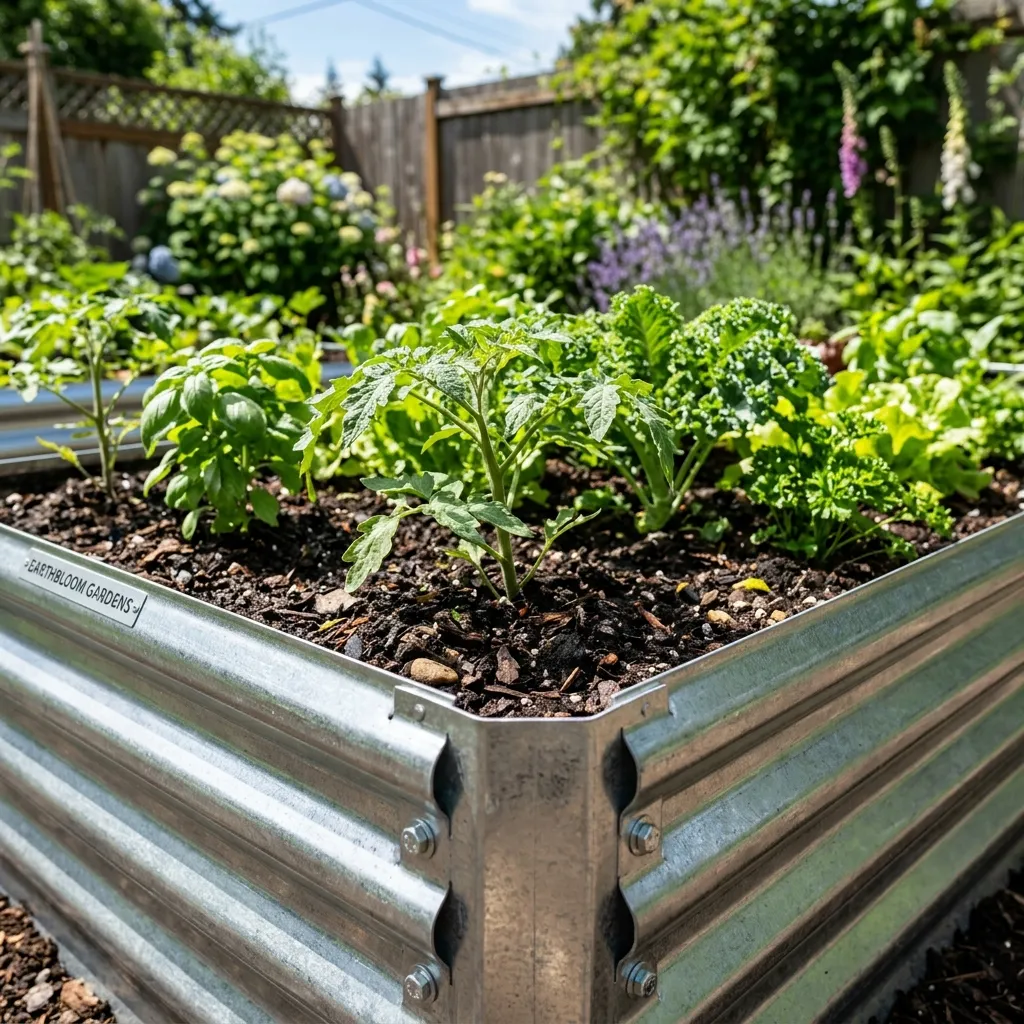
Wood looks natural, insulates soil temperature better, and is easier to modify or repair. Metal beds — galvanized steel or Corten — last 15–20+ years with zero maintenance and no rot risk. See the full metal vs wood raised garden beds comparison for a side-by-side breakdown of cost, lifespan, and aesthetics.
If longevity is your top priority and you don’t mind the industrial look, the best metal raised garden beds are hard to beat on lifetime value. If you prefer natural materials and don’t mind replacing the bed every 7–10 years, cedar is the right call.
There’s also a third path that keeps the wood look without the rot: composite. A Frame It All recycled-composite bed looks like wood but never rots, warps, or needs sealing — at a premium price.
Our wood picks
Best overall: Western red cedar — either a kit (Greenes Fence, Vego Garden wood line, or similar) or dimensional cedar lumber from a local yard. Look for 1.5-inch or 2-inch thick boards for structural integrity on taller beds.
Best budget: Untreated pine or SPF as a starter bed. Treat the inside with linseed oil before filling.
Best upgrade: Redwood if you’re in California or the Pacific Northwest and can source it locally at a reasonable price.
Greenes Fence Cedar Raised Garden Bed 4×8
- Tool-free dovetail assembly
- Rot and insect resistant naturally
- Food-safe
- Expandable with connectors
- Higher upfront cost than pine
- Shorter lifespan than metal
Once your bed is built, the next question is what goes inside it — see how to fill a raised garden bed for the soil mix breakdown. And if you’re still deciding between wood and other materials, browse the full best raised garden beds 2026 roundup for every option side by side.
Frequently asked questions
What is the best wood for raised garden beds?
Cedar is the best choice for most gardeners — it's naturally rot- and insect-resistant, safe for food, and lasts 7–10+ years without chemicals. Redwood is similar but pricier and harder to find outside the West Coast. Untreated pine is cheapest but only lasts 2–3 years.
Is cedar worth the extra cost over pine?
Yes, for most gardeners. Cedar costs roughly 2–3x more than untreated pine upfront, but it lasts 3–4x longer. Over a 10-year period you'll likely rebuild a pine bed two or three times, spending more in total — plus the labor of rebuilding and refilling. Cedar wins on lifetime cost for any bed you plan to keep long-term.
Is pressure-treated wood safe for vegetable gardens?
Modern pressure-treated lumber (ACQ or copper azole) no longer uses arsenic like the old CCA formula banned in 2003. Studies suggest ACQ leaches much less into soil than CCA did, and at very low levels. That said, many gardeners still choose not to use it for food crops as a precaution. If you do use treated wood, lining the inside with heavy-duty polyethylene plastic provides an extra barrier between the wood and your soil.
How long does a cedar raised bed last?
About 7–10 years in most climates, sometimes longer in dry regions. Redwood is similar, occasionally reaching 12+ years. Untreated pine lasts only 2–3 years. For maximum lifespan with no maintenance, galvanized or Corten steel beds last 15–20 years or more.
Can I use pine for a raised garden bed?
Yes — untreated pine is a perfectly usable short-term option. It rots in 2–3 years, so treat it as a starter bed. Applying an exterior wood sealer or linseed oil can add a season or two of life. If you plan to grow in the same spot for years, step up to cedar.
What is the best budget wood for raised garden beds?
Untreated pine or spruce is the cheapest wood option, typically $1–2 per linear foot. Douglas fir is a step up — similar cost in many regions but lasts 4–7 years. If budget is the main concern and you want long-term durability without rebuilding, galvanized steel beds often beat wood on lifetime cost per year.