Metal vs Wood Raised Garden Beds
Coated-steel beds avoid biological rot and routine sealing; cedar is easier to cut, repair, and customize. Neither material has one universal lifespan, so this comparison focuses on maintenance, structure, climate, and use case rather than repeating a single marketing number.
Quick answerChoose coated metal when low maintenance and a modular kit matter most. Choose untreated cedar or redwood when you value a natural look, easy DIY modification, and replaceable boards. In either case, drainage, bracing, and material quality matter more than the label alone.
| At a glance | Metal (Galvanized) | Wood (Cedar) |
|---|---|---|
| Durability | No biological rot; coating can scratch or corrode | Cedar/redwood resist decay; all wood eventually decomposes |
| Upfront price | $80–$160 | $60–$200 |
| Maintenance | Inspect coating and hardware | Inspect boards; sealing is optional, not permanent protection |
| Rot / corrosion | Does not rot; exposed steel can corrode | Species and moisture determine decay rate |
Why this pick: No biological rot and no annual sealing schedule.
Raised Garden Hub is reader-supported. When you buy through links on our site, we may earn an affiliate commission at no extra cost to you.
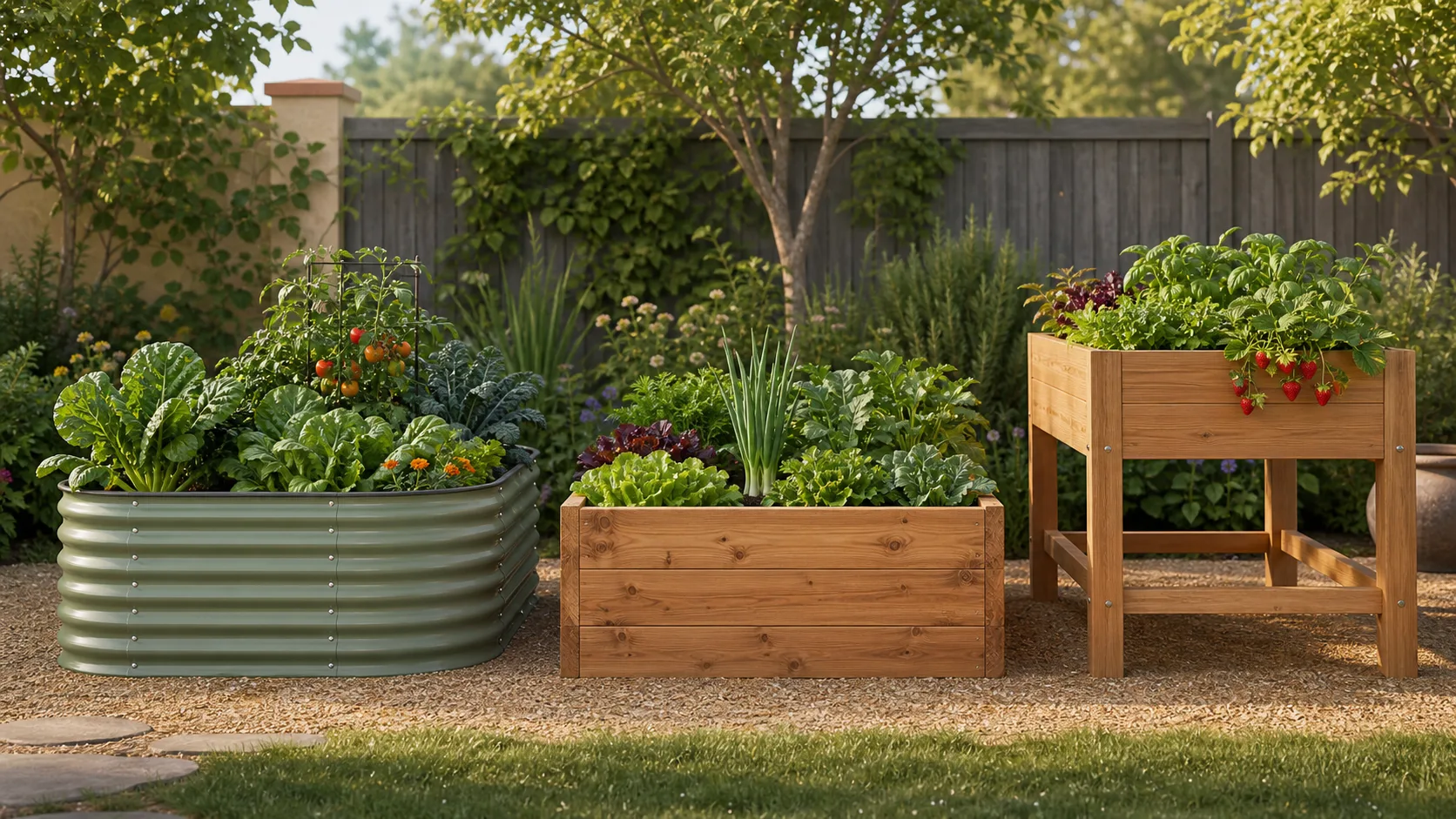
Our verdict
Choose coated metal when low maintenance and a modular kit matter most. Choose untreated cedar or redwood when you value a natural look, easy DIY modification, and replaceable boards. In either case, drainage, bracing, and material quality matter more than the label alone.
Still deciding? Compare current specifications, price ranges, warranties, and long-term owner reports across the leading metal-bed brands.
Read our full Best Metal Raised Beds guide →Side-by-side comparison
Metal (Galvanized) vs Wood (Cedar)
| Feature | 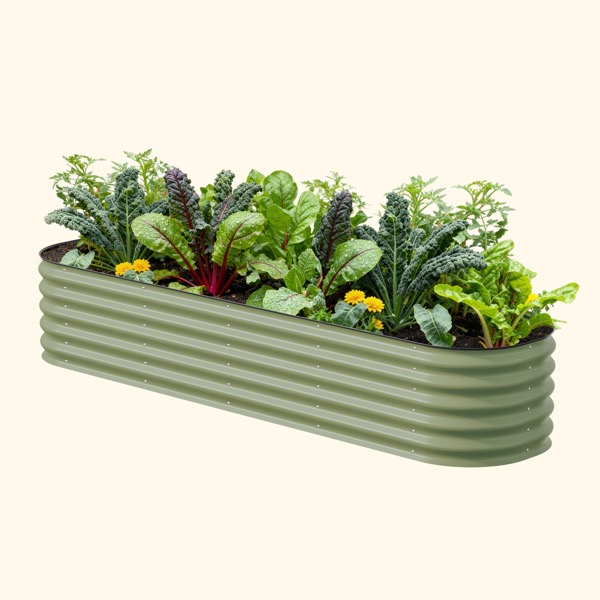 Metal (Galvanized)Best long-term value · $80–$160 Metal (Galvanized)Best long-term value · $80–$160 | Wood (Cedar)Classic look · $60–$200 |
|---|---|---|
| Durability | No biological rot; coating can scratch or corrode | Cedar/redwood resist decay; all wood eventually decomposes |
| Upfront price | $80–$160 | $60–$200 |
| Maintenance | Inspect coating and hardware | Inspect boards; sealing is optional, not permanent protection |
| Rot / corrosion | Does not rot; exposed steel can corrode | Species and moisture determine decay rate |
| Soil temperature | Depends on color, sun, soil, mulch, and watering | Depends on the same site factors |
| Assembly | Most kits bolt together | Kits may slot together; DIY beds use screws |
| Looks | Modern, industrial | Natural, traditional |
Before you buy
Three things that matter more than the price tag.
Mind the depth
Most vegetables thrive in 12–18 inches of soil. Tall metal beds (17"+) save your back and suit deep-rooted crops like tomatoes and carrots.
Match your climate
Bed color, sun exposure, soil moisture, and mulch all affect temperature. In hot sites, prioritize irrigation and surface mulch rather than assuming the frame material alone decides root-zone heat.
Check the coating
Look for Aluzinc / food-safe galvanized steel. It resists rust far better than cheap powder-coated steel that chips and bleeds.
Also planning the fill? Use the raised bed soil calculator to get exact cubic feet, cubic yards, and bag counts for either bed before you order.
Why we pick Metal (Galvanized)
The reasons it edges out Wood (Cedar) for most gardeners.
No biological rot and no annual sealing schedule.
Modular kits are easy to relocate or reconfigure before filling.
Galvanized or zinc-aluminum-magnesium coatings improve corrosion resistance.
Thin walls preserve more growing area inside a compact footprint.
Where Wood (Cedar) wins
Honest comparisons only. Here is what Wood (Cedar) genuinely does better.
Natural wood look blends into traditional gardens and patios.
Cedar and redwood are naturally rot-resistant without chemicals.
Stays cooler at the soil edge during heat waves.
Easy to customize, cut, and build to any size yourself.
Where it falls short
Wood remains biodegradable; wet soil contact accelerates decay.
Species, board thickness, drainage, and climate make lifespan estimates unreliable.
Boards can warp or split and may need individual replacement.
Unknown reclaimed or older treated lumber is a poor choice for edible crops.
Frequently asked questions
Is galvanized metal safe for growing vegetables?
Yes. Food-grade galvanized steel is safe for raised beds. In the soil-pH range typical of vegetable gardens the zinc coating stays bound, so vegetable roots take up negligible amounts (University of Minnesota Extension reports the same).
Do metal raised beds get too hot for plants?
Frame material is only one variable. Color, direct sun, soil volume, moisture, and mulch also affect temperature. In exposed hot sites, monitor moisture and use surface mulch; do not rely on an unsourced universal temperature claim.
How long do cedar raised beds last?
There is no responsible universal number. Oregon State Extension notes that cedar and redwood resist decay better than pine or fir, but board thickness, drainage, soil contact, climate, and maintenance all change service life.
Raised Garden Hub
Ready to start your raised bed?
Our top pick gives you the best balance of price, lifespan, and ease of setup.
Check Metal (Galvanized) price →Leaning the other way?Check Wood (Cedar) price →
Raised Garden Hub is reader-supported. When you buy through links on our site, we may earn an affiliate commission at no extra cost to you.