By Azura · Updated July 2026 · Raised Garden Hub is reader-supported. When you buy through links on our site, we may earn an affiliate commission at no extra cost to you.
The best raised garden beds for seniors bring soil to a comfortable working height, eliminate bending and kneeling, and require no ongoing maintenance like painting or sealing. A tall metal modular bed (17 to 32 inches) or a waist-high elevated planter with open knee clearance covers most accessibility needs — here are the specific picks worth buying.
Gardening is one of the most beneficial activities for older adults — evidence consistently links it to reduced stress, improved physical function, and better cognitive engagement. But standard in-ground gardens demand bending, kneeling, and getting up and down from the ground repeatedly, which becomes progressively difficult and painful with age.
Raised beds solve this by bringing the garden to you. The right height, width, and material choice determines whether that works in practice.
Quick verdict: For most seniors, a 17-inch or 32-inch tall metal modular bed is the best balance of working height, depth, and long-term ease. For those with significant mobility limitations, a table-top elevated planter with open knee clearance is the better call.
Vego Garden 32in Tall Modular Metal Raised Bed
- 32-inch height — near waist level for most adults
- Rubber-padded top edge, no sharp metal
- Modular panels — no tools, reconfigurable later
- Aluzinc steel with a long anti-rust lifespan
- Needs more soil to fill at 32in depth
- Higher price than shorter beds
What makes a raised bed good for seniors
Height is the primary factor. The lower you have to bend, the more strain you put on your lumbar spine, hips, and knees. A 12-inch raised bed is better than the ground, but a 17-inch or 32-inch bed is meaningfully better again. For most adults, a soil surface at 24 to 32 inches height means working with a slight forward lean rather than a full bend.
Width determines reach. A 48-inch-wide bed accessible from both sides lets you reach the center at 24 inches. If the bed is only accessible from one side, keep it at 30 to 36 inches so the center is reachable without leaning.
Sharp edges are a real hazard. Many metal beds have raw cut steel edges at the top rail. For seniors, a model with rubber safety edging or rolled edges prevents accidental cuts when brushing against the frame while working.
No-maintenance materials matter more over time. Cedar beds need annual inspection and occasional treatment. Metal beds need nothing. A galvanized or Aluzinc steel bed that lasts 20 years without attention is a clear winner for senior gardeners.
Assembly should be tool-free. Tall modular metal beds (Vego, Vegega, Olle) assemble with hand pressure and panel connectors — no power tools, no lumber cuts.
Best overall: tall modular metal bed (17in or 32in)
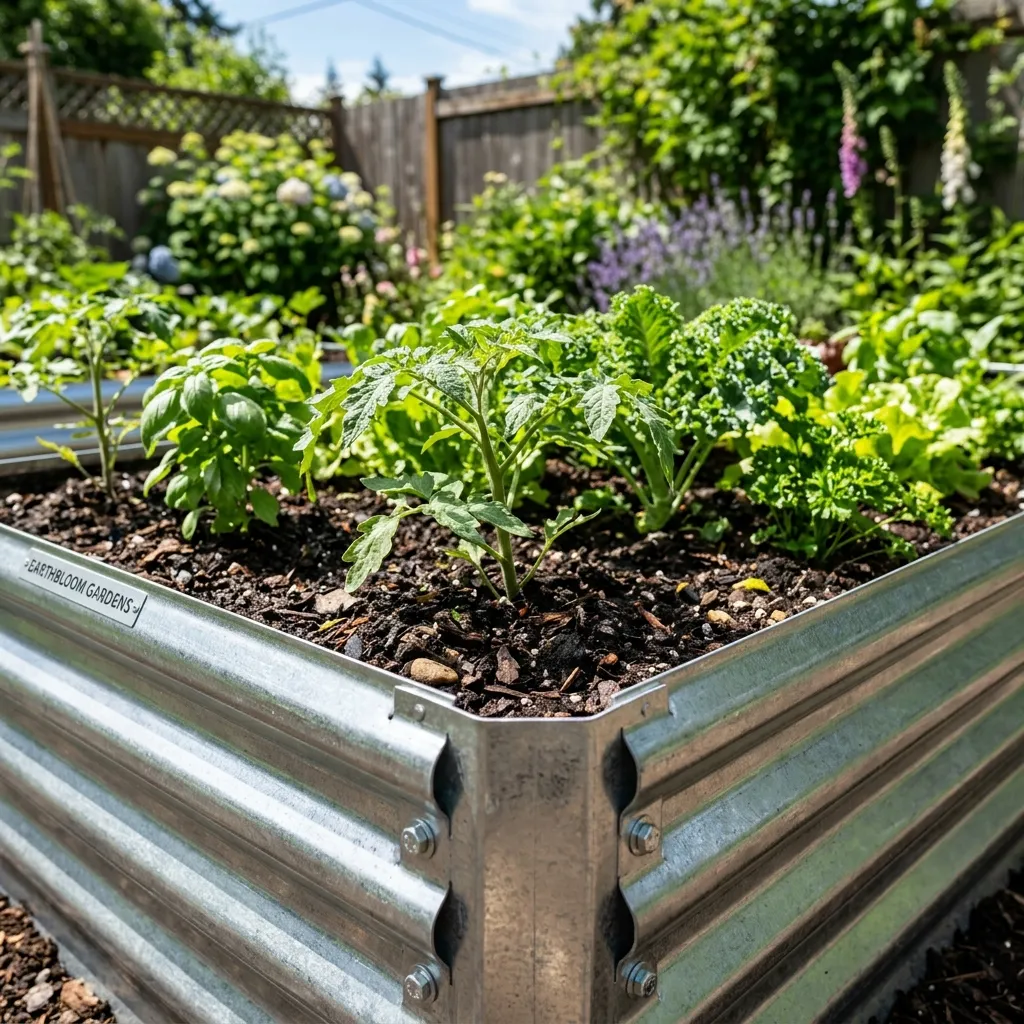
For seniors who can stand comfortably and want the deepest growing medium at the most accessible height, a 32-inch modular metal bed brings the soil surface to approximately waist height. At that height you work with a slight lean rather than a full forward bend — a very different load on your back. The modular panel system assembles without tools and can be reconfigured without moving the bed. A 4x4 or 4x8 bed at 32 inches needs substantial fill: use the layered fill method (logs and cardboard in the bottom half) to cut soil cost. See how to fill a raised garden bed cheaply.
Best budget tall bed: Vegega 32in
Vegega delivers the same 32-inch working height and modular concept at a noticeably lower price than Vego. For seniors on a fixed budget who need accessibility height but do not require the extended ecosystem of accessories, this is an excellent choice. The Aluzinc coating is the same specification as more expensive brands. See our Vegega vs Vego comparison for the full breakdown.
Vegega 32in Tall Modular Metal Raised Bed
- Same 32-inch working height as premium brands
- Aluzinc-coated steel, food-safe and rust-resistant
- Modular panel assembly — no tools
- Typically 20-30% cheaper than Vego
- Smaller accessory ecosystem than Vego
- Fewer height and shape configurations
Best for significant mobility limitations: elevated table-top planters
For seniors with significant back, hip, or knee limitations — or those who garden from a wheelchair or stool — a table-top elevated planter at 29 to 36 inches brings the soil surface to a fully comfortable height without any forward lean at all. The tradeoff: most hold only 8 to 10 inches of soil, which rules out deep-rooted crops like carrots and potatoes. But lettuce, herbs, radishes, bush beans, and peppers all grow well at that depth. See our best elevated raised garden beds guide for specific picks.
Elevated Cedar Table Garden Planter (30in)
- Soil surface at 29-30 inches — true standing height
- Open frame underneath for seated or wheelchair gardening
- Cedar construction, naturally rot-resistant
- No bending required at all
- Shallower soil (8-10 inches) limits deep-rooted crops
- Smaller planting area than ground-level beds
Accessories that make a significant difference
Drip irrigation timer. Lifting and carrying watering cans is one of the most injury-prone aspects of garden maintenance. A soaker hose connected to a battery-powered timer eliminates it entirely. Set it to run 25 to 30 minutes every other morning in summer.
Ergonomic long-handled tools. Lightweight cultivators with 48-inch handles, foam-grip trowels, and adjustable-length kneelers all reduce joint strain significantly. A trowel with a D-ring grip requires far less wrist torque than a straight handle.
Trellis system. Running a trellis on the back of the bed lets you grow tomatoes, cucumbers, and beans vertically without bending. Fruits hang at harvest height rather than trailing along the soil. Vego and Vegega both offer compatible trellis panels.
Non-slip paths around the bed. Rubber mulch or non-slip stepping stones placed around the bed prevent slips when the ground is wet — a real risk near a raised bed frame with hard metal edges.
What to grow in a senior-friendly raised bed
Best crops for tall ground-level beds (17 to 32 inches):
- Tomatoes — harvest from standing height, no crouching
- Peppers — low maintenance once established
- Kale and chard — cut-and-come-again, long season
- Beans (bush variety) — no staking, high yield
- Cucumbers on a trellis — fruit hangs at eye level
Best crops for table-top elevated planters (8 to 10 inches depth):
- Lettuce and salad greens — fast, cut-and-come-again
- Herbs — daily harvest without bending
- Strawberries — trail attractively over the sides
- Radishes — 3-week harvest
- Compact peppers and cherry tomatoes in deeper trays
Avoid in either format:
- Sprawling vining crops (standard squash, pumpkins) — constant repositioning required
- Full-size carrots or parsnips in elevated beds — needs 12 or more inches of depth
- Corn — too tall to manage easily, low yield per square foot
Sizing recommendations for accessible gardening
Width: 36 inches accessible from one side, 48 inches from two sides. Never wider.
Height by mobility level:
- Light limitations (occasional knee or back pain): 17 inches
- Moderate limitations (daily pain, difficulty crouching): 32 inches
- Significant limitations (wheelchair or stool gardening): 30 to 36-inch table-top style
For all options across materials and budgets, see our best raised garden beds of 2026 roundup.
Frequently asked questions
What height raised garden bed is best for seniors?
A 17 to 32-inch-tall raised bed suits most seniors who can stand comfortably. For gardeners with significant back, hip, or knee limitations, a 29 to 36-inch elevated table-top style planter with open knee clearance underneath allows comfortable seated or stool-based gardening. The right height is the one that lets you work without bending past 45 degrees at the waist.
Are metal raised garden beds good for seniors?
Yes. Tall galvanized metal beds (17 to 32 inches) are an excellent choice for seniors — they assemble without carpentry skills, never rot or require maintenance, and at 32 inches bring soil to a comfortable working height. Models with rubber safety edging on the top rail eliminate sharp edges that could cause cuts.
What is the easiest raised garden bed to maintain for elderly gardeners?
The easiest bed to maintain is a tall metal modular bed (17 to 32 inches) because it eliminates bending, never needs repainting or sealing, and does not rot. Pair it with drip irrigation on a timer and a mulched surface and you remove most of the daily maintenance tasks that create repetitive strain.
Can seniors use a raised bed from a wheelchair?
Yes, with the right setup. Table-top style elevated beds with open space underneath the tray allow a wheelchair to pull alongside. Some beds include adjustable height legs. For in-ground-style raised beds, a 30 to 36-inch-wide bed with a smooth pathway alongside allows reach from a seated position. Bed width should not exceed 24 inches for wheelchair-side reach.
How do I reduce heavy lifting when gardening in a raised bed?
Use a drip irrigation system or soaker hose on a timer to eliminate heavy watering cans. Buy compost and soil in smaller bags or order bulk delivery directly into the bed. Use a long-handled cultivator and ergonomic trowel to work from standing rather than kneeling. Lightweight tools with padded grips make a significant difference for arthritic hands.
What vegetables are easiest for seniors to grow in raised beds?
Lettuce, herbs (basil, parsley, chives), radishes, cherry tomatoes, bush beans, and peppers are all well-suited. They require minimal ongoing work once planted, are harvested from standing height in a tall bed, and produce quickly enough to stay rewarding. Avoid sprawling crops like standard vining squash, which require frequent repositioning.
Are elevated garden beds the same as raised garden beds?
Not exactly. Elevated beds sit on legs or a frame and bring the soil surface to counter or waist height — ideal for no-bend gardening. Traditional raised garden beds sit on the ground but are taller (12 to 32 inches) than in-ground plots. Both are good for seniors; the right choice depends on whether your priority is zero bending (elevated) or deeper soil and more planting space (tall ground-level raised bed).
How wide should a raised garden bed be for a senior gardener?
Keep width at 36 inches or less if you garden from one side only, and 48 inches maximum if you can access both sides. Wider beds require you to lean and stretch to reach the center, which is exactly the motion that causes back strain. Narrower beds with more length are preferable to wide beds for accessibility.